
Parents often wonder if it’s best to pause martial arts classes when exams roll around. But research says the opposite. Staying active with Taekwon-Do can actually boost focus, resilience and even grades.
Exercise Boosts Brain and Grades
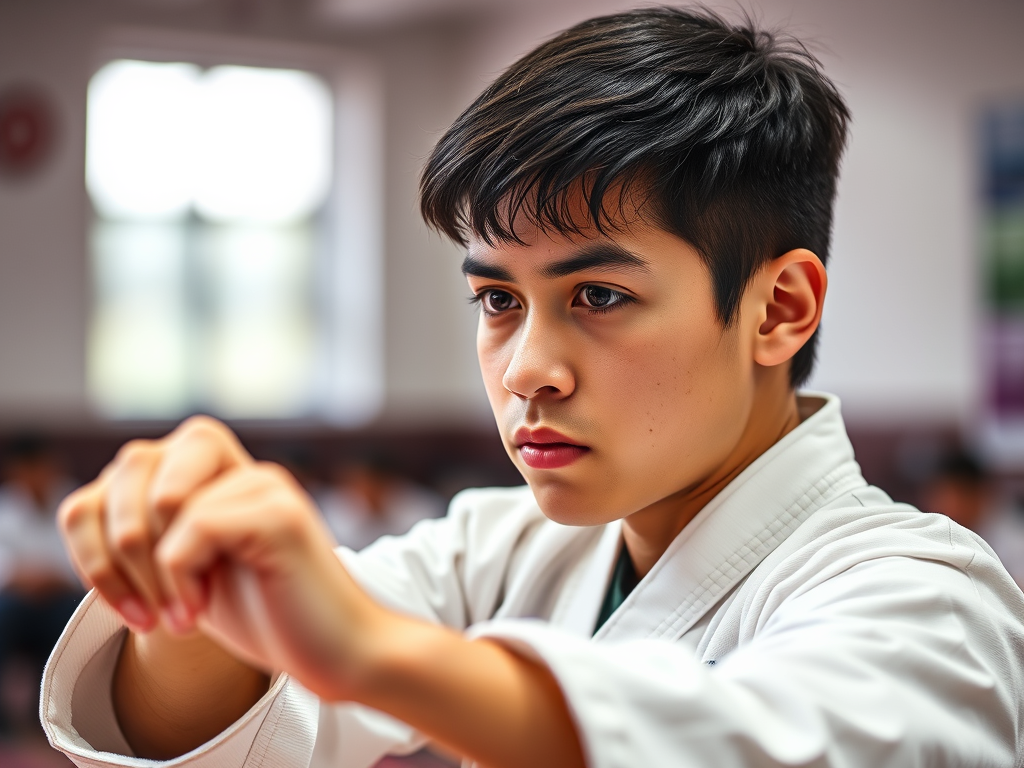
Image: A Taekwon-Do student concentrates during training (martial arts builds discipline and focus). (Ref1/Ref2)
Studies show that regular physical activity is linked to better cognitive skills and higher test scores. (Ref 3/Ref 1) Children who practice martial arts demonstrate stronger executive function and higher school marks than kids in team sports or no sports. (Ref 1) In one large 1-year trial, elementary students in a school karate program saw significantly better grades and conduct compared to a control group. (Ref 2) Taekwon-Do’s focus on memory (patterns), attention (sparring), and goal-setting (belt progression) naturally translates into classroom success.
- Sharper Mind: Martial-arts training drills working memory, attention and problem-solving. One study found martial-arts kids outperformed peers on executive-function tests. (Ref 1)
- Academic Edge: A systematic review concludes that 90+ min/week of exercise “improve[s] academic performance” and never hurts grades. (Ref 3) Martial arts adds to that benefit.
- Confidence & Discipline: Advancing through belt ranks builds self-esteem and self-discipline, which help kids tackle challenging schoolwork with confidence. (Ref 1/Ref 2)
Stress Relief and Mental Toughness
Physical activity is a natural stress-buster. Exercise releases mood-boosting endorphins and lowers anxiety. (Ref 4) In fact, research finds that regular exercise significantly reduces students’ test anxiety. (Ref 5) Taekwon-Do’s mindful elements (deep breathing, meditation before forms) amplify these benefits. A school-based martial-arts program showed kids reported increased mindfulness and decreased perceived stress over the year. (Ref 6)
- Anxiety Relief: Short Taekwon-Do breaks (even simple kicks or breathing exercises) can dissipate exam nerves. Meta-analysis evidence indicates that just 20 minutes of aerobic exercise 2–3 times/week lowers test anxiety levels. (Ref 5)
- Steadier Focus: Regular training conditions children to stay calm under pressure. Improved self-control from martial arts often carries over to better on-task behaviour in class.
- Mind Over Breaks: We also know that long breaks from learning cause a mild cognitive slump – the so-called “summer slide”. (Ref 7) By the same token, pausing martial arts training during exam prep can slow a child’s momentum. Keeping up even light training (stretching, forms practice) helps maintain the gains they’ve made.
Practical Tips for Exam Time

Image: A focused child studies confidently. Keeping up exercise helps sustain energy and a positive mood (Ref 4/Ref 5)
- Short, Smart Sessions: If time is tight, do a quick 10–15 minute Taekwon-Do routine at home each day. Even a few basic forms or breathing drills can reset the mind between study blocks. (Ref 4)
- Schedule Active Breaks: Encourage kids to take short movement breaks (jog on the spot, shadow sparring) every hour of studying. These mini exercise bursts help the brain recharge and retain information. (Ref 4)
- Mindful Transitions: Use Taekwon-Do rituals as calm-down tools. A minute of deep, martial-arts-style breathing or a brief seated meditation can transition kids from study mode to exam focus.
- Keep It Routine: Maintaining their usual class schedule (even at reduced intensity) gives kids structure and a positive outlet. A little physical activity helps them sleep better, eat better, and stay emotionally balanced – all crucial for peak exam performance.
References
Ample research shows physical activity supports children’s cognitive and academic performance. (Ref 3/Ref 1) Martial arts training, with its emphasis on discipline and self-control, yields additional gains in focus and behaviour. (Ref 1/Ref 6) Studies also find that regular exercise interventions lower test anxiety, (Ref 5) and that long breaks from learning can produce small drops in cognitive scores. (Ref 7)
- Joseph James et al. (2023) – Systematic review: Physical activity (≥90 min/week) improves academic performance. (Ref 3)
- Giordano et al. (2021) – Children in martial arts had better executive function and higher school marks than non-athletes. (Ref 1)
- Pinto-Escalona et al. (2024) – 1-year school karate program led to small but significant improvements in grades. (Ref 2)
- Marusak et al. (2022) – Martial arts–based curriculum increased mindfulness and decreased stress in schoolchildren. (Ref 6)
- Zhang et al. (2022) – Meta-analysis: 20+ min exercise (2–3×/week) reduces students’ test anxiety. (Ref 5)
- Keller & Larsen (2026) – Cognitive tests showed a small performance dip in children after long breaks (e.g. summer). (Ref 7)